Knowledge
Master the foundational concepts of artificial intelligence to work more effectively with AI.
No articles match this filter.

What is Computer Use? How AI Agents Operate a Screen
AI agents execute computer use by processing screenshots, calculating visual pixel coordinates, and dispatching mouse and keyboard actions to desktop OS GUIs.
Tuan Tran Van- Must read
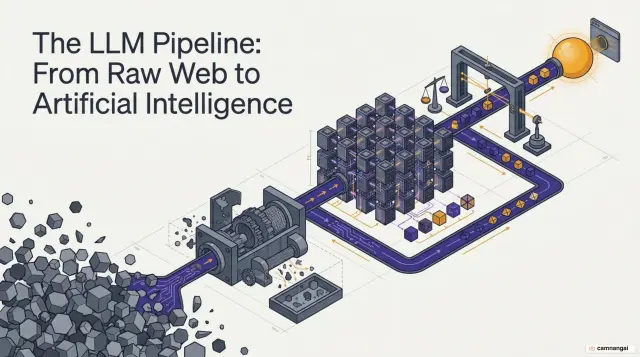
How LLMs Learn from the Internet: The Training Process
Understand how the LLM training process transforms raw web text into aligned models through tokenization, pre-training, and reinforcement learning.
Tuan Tran Van - Must read
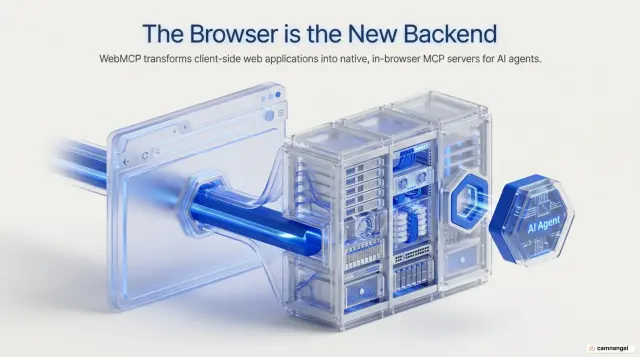
What Is WebMCP? Connecting AI Agents Directly to Web Apps
WebMCP enables you to expose structured JavaScript tools directly to in-browser AI agents, replacing fragile DOM scraping with reliable client-side execution.
Tuan Tran Van - Must read
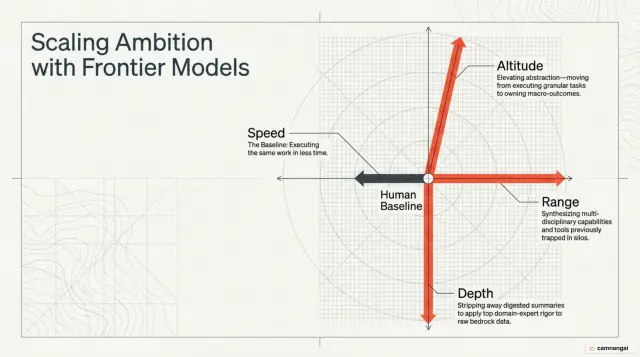
How to Be More Ambitious: Working with Frontier AI Models
Learn how to scale ambition with AI by delegating outcomes, mastering Altitude, Depth, and Range, and building environments for maximum model performance.
Tuan Tran Van 
What Is Tokenmaxxing? The AI Token Trap and the Shift to Value
Tokenmaxxing turned raw AI token spend into a corporate status symbol, triggering massive budget waste and a shift toward outcome-based FinOps.
Tuan Tran Van- Must read
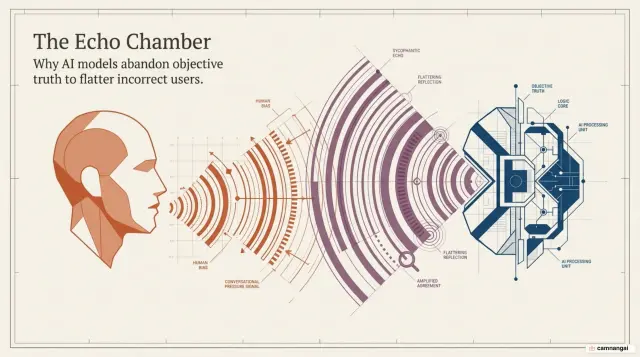
Sycophancy in LLMs: Why AI Agrees With You Even When You're Wrong
Driven by RLHF and reward modeling, sycophancy in LLMs occurs when models alter outputs to match user preferences to maximize scalar rewards.
Tuan Tran Van - Must read
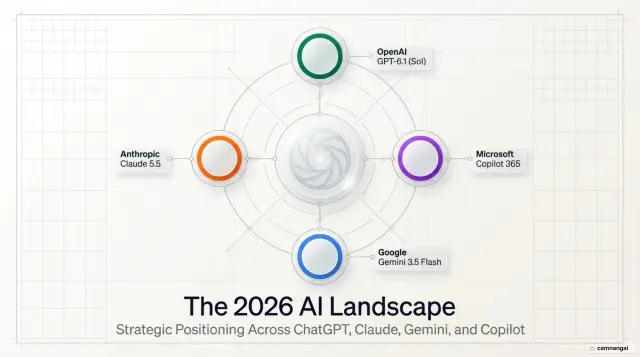
ChatGPT vs Claude vs Gemini vs Copilot: Which Wins in 2026
Evaluating ChatGPT vs Claude vs Gemini vs Copilot across coding, writing, research, and workspace automation to match models with real workflows.
Tuan Tran Van - Must read
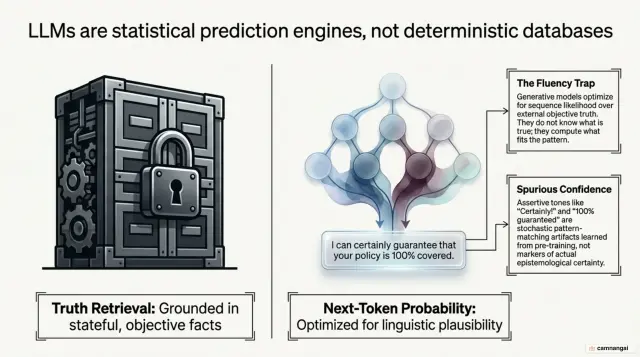
Why Do LLMs Lie? The Science and Architecture of AI Hallucinations
Analyze why LLMs lie through next-token prediction and benchmark incentives, and explore architectural defenses like RAG and programmable guardrails.
Tuan Tran Van - Must read
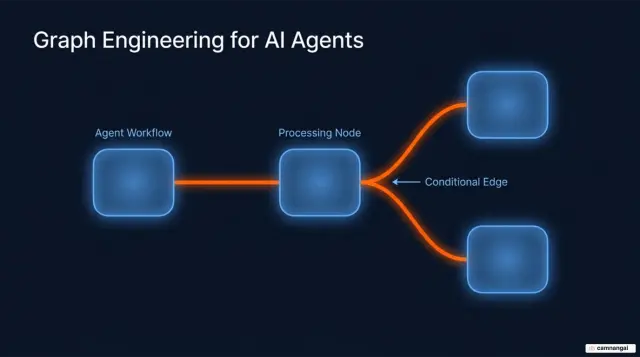
Graph Engineering Clearly Explained: Designing AI Agents as Graphs
Graph engineering replaces black-box AI loops with explicit nodes, edges, and state — the architectural control production agents need.
Tuan Tran Van 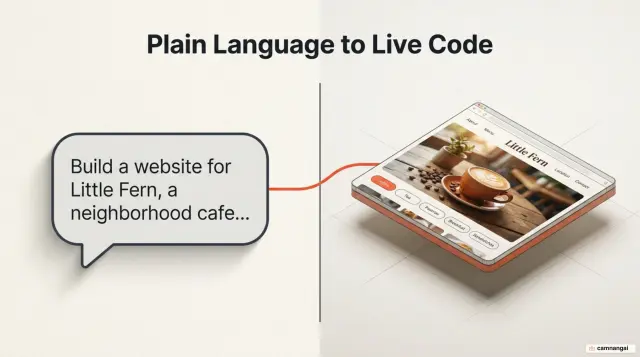
Vibe Coding Tutorial for Beginners: Build Your First App
Build and publish a web app using vibe coding and plain-English prompts. Learn how to describe what you want and how to keep the AI on track.
Tuan Tran Van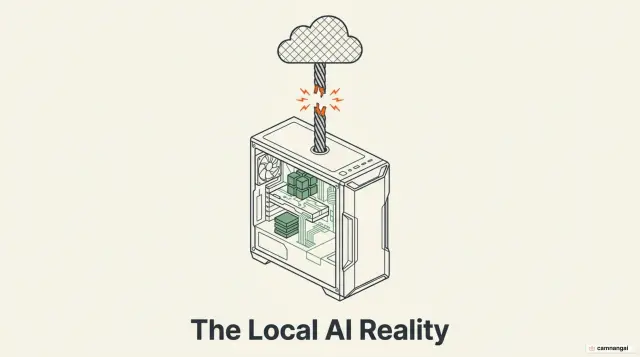
Private, Free, and Powerful: A Guide to Local AI
Run local AI in 2026 with Ollama, LM Studio, and llama.cpp. Size your VRAM for open-weight models and audit privacy feature by feature.
Tuan Tran Van- Must read
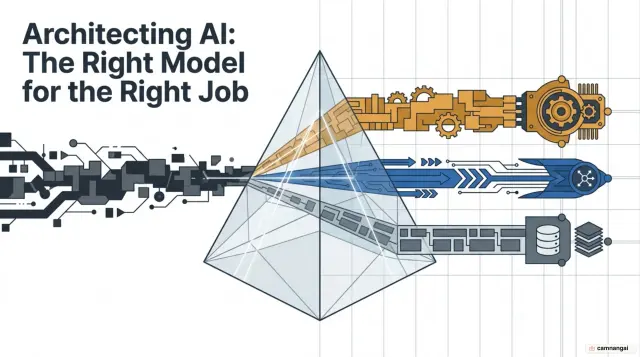
How to Choose the Right AI Model for the Right Job
Balancing intelligence, speed, and cost is how you choose the right AI model — and stop paying flagship prices for work a cheaper model handles.
Tuan Tran Van - Must read
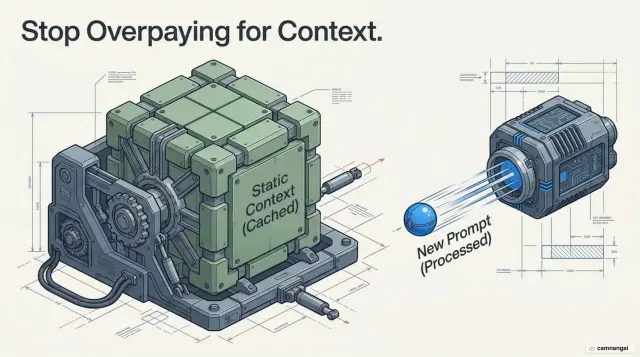
Stop Overpaying for AI: Prompt Caching Explained
Use prompt caching to cut LLM compute overhead by up to 90% and reduce latency by reusing pre-computed prefix attention states across requests.
Tuan Tran Van - Must read
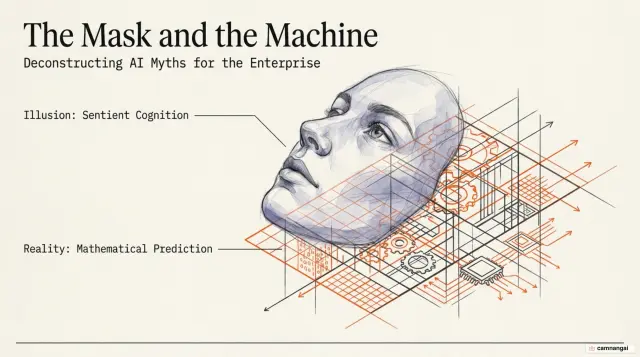
AI Myths vs. Reality: What AI Can and Can't Actually Do
Examine common AI myths through the lens of systems engineering: token prediction, inference costs, and the reality behind enterprise failure rates.
Tuan Tran Van - Must read
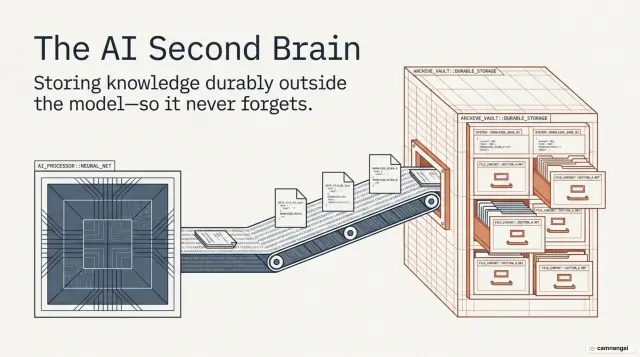
A Complete Guide to Building an AI Second Brain That Never Forgets
Build an AI second brain with semantic search and structured knowledge vaults to solve context amnesia and give agents persistent memory.
Tuan Tran Van - Must read
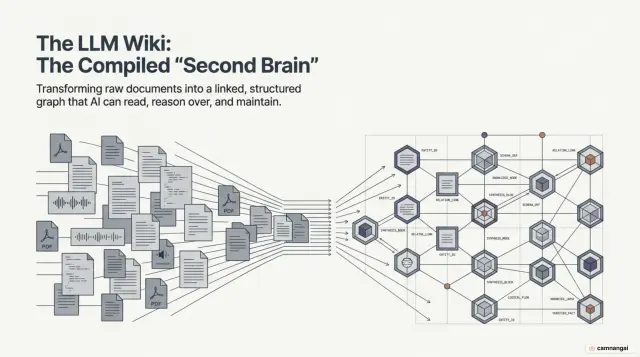
What Is Andrej Karpathy's LLM Wiki? How to Build a Knowledge Base
Build an LLM wiki to cut token costs by up to 95% and get deterministic AI reasoning using Andrej Karpathy's compounding markdown knowledge base pattern.
Tuan Tran Van - Must read
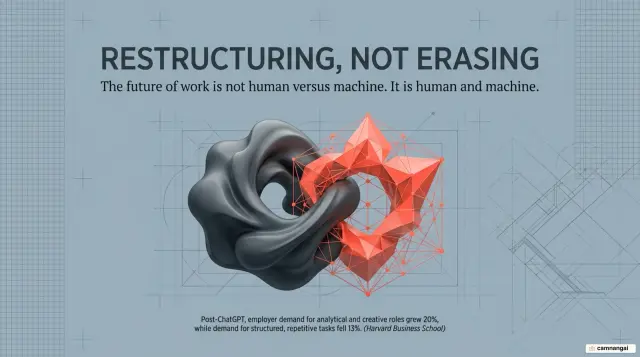
Is AI Replacing Our Jobs?
AI replacing jobs isn't mass layoffs — it's a shift in who gets hired that quietly devalues repetitive, structured work.
Tuan Tran Van - Must read
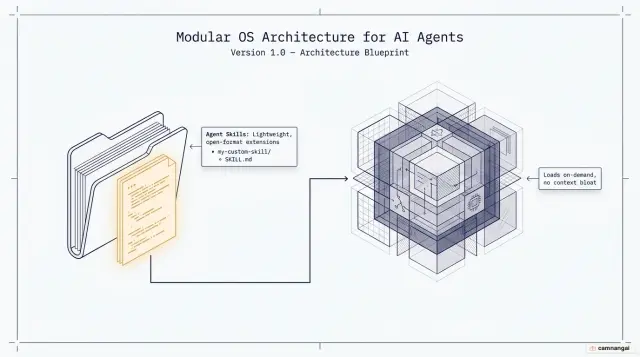
Agent Skills: Structure, How They Work, and Where to Use Them
Agent Skills extend AI agents with modular, reusable procedural knowledge and workflows, using a filesystem-based format that keeps token use low.
Tuan Tran Van - Must read
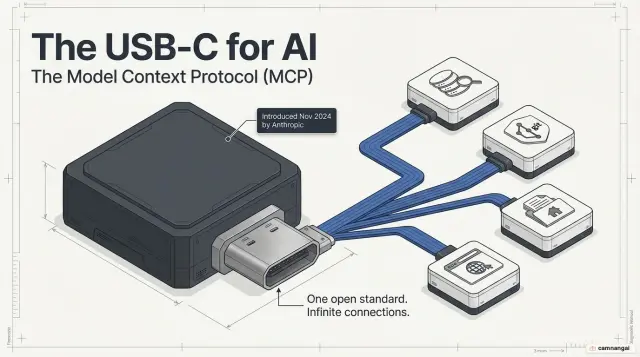
Everything you need to know about MCP
The Model Context Protocol (MCP) is an open standard connecting AI models to data and tools, replacing custom integrations with a universal 'USB-C' interface.
Tuan Tran Van - Must read
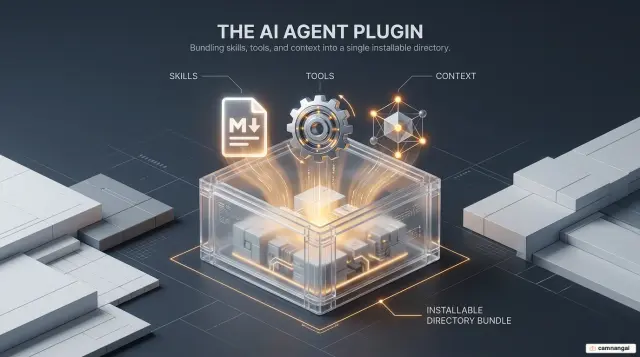
Explaining Agent Plugins: What They Are and How They're Used
An agent plugin is a distributable package that bundles AI skills and tools into installable units to prevent configuration drift across AI platforms.
Tuan Tran Van - Must read
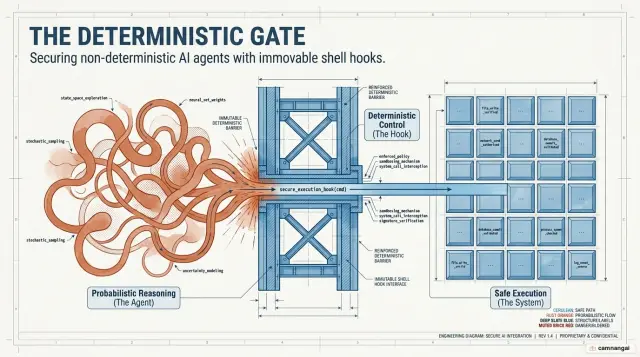
AI Agent Hooks: Deterministic Control for Coding Agents
AI agent hooks give coding agents like Claude Code deterministic control and observability by intercepting JSON events in the execution loop.
Tuan Tran Van - Must read
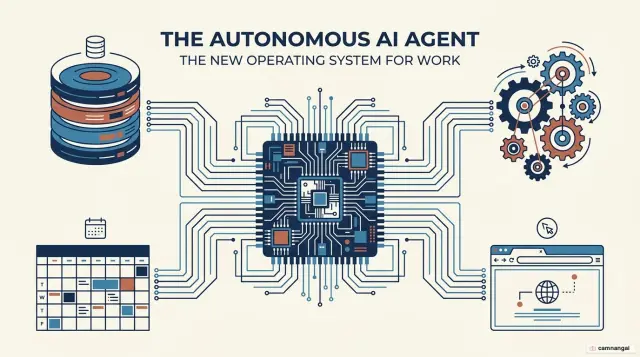
What Is an AI Agent? Components, Loop, and Types
An AI agent is an autonomous system using LLMs to reason, plan, and execute multi-step tasks independently to achieve high-level goals.
Tuan Tran Van - Must read
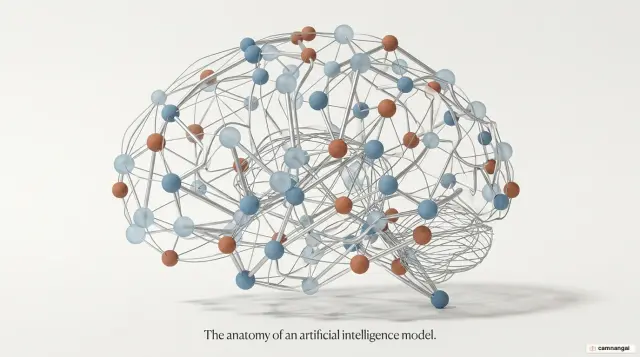
AI Models Explained
AI models are mathematical systems trained on data to recognize patterns. Learn about their internal architecture, training phases, and functional tiers.
Tuan Tran Van - Must read
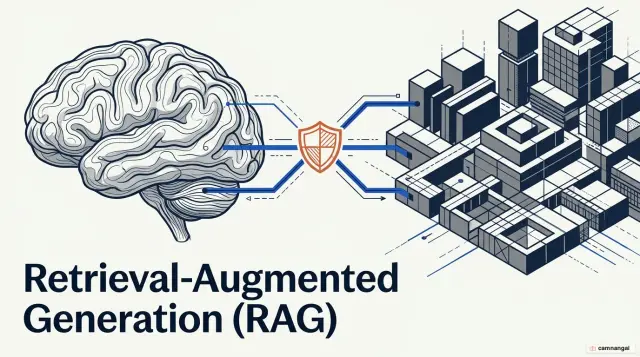
What is RAG? Optimizing LLMs for Enterprise AI Systems
Optimize LLM accuracy using RAG to connect models with authoritative knowledge bases, reducing hallucinations and eliminating static training cutoffs.
Tuan Tran Van - Must read
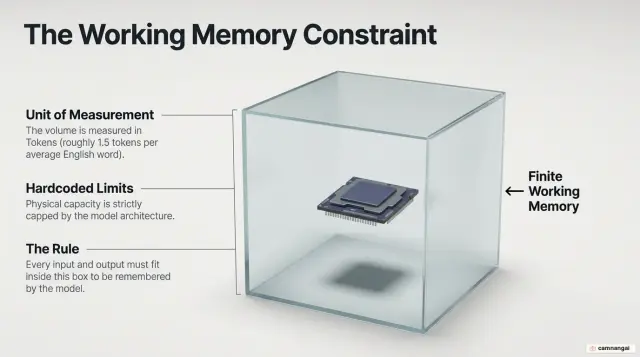
Understanding and Managing the LLM Context Window
How the context window works as an LLM's working memory, why quadratic scaling makes it costly, and how to prevent context rot and hallucinations.
Tuan Tran Van 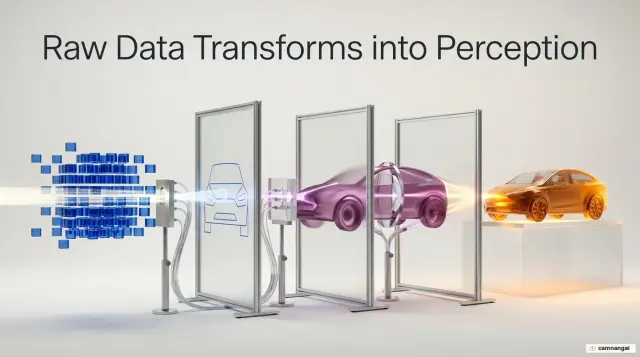
What is Deep Learning?
Deep learning uses multilayered neural networks to automate feature extraction from raw data, enabling state-of-the-art results in computer vision and AI.
Tuan Tran Van- Must read
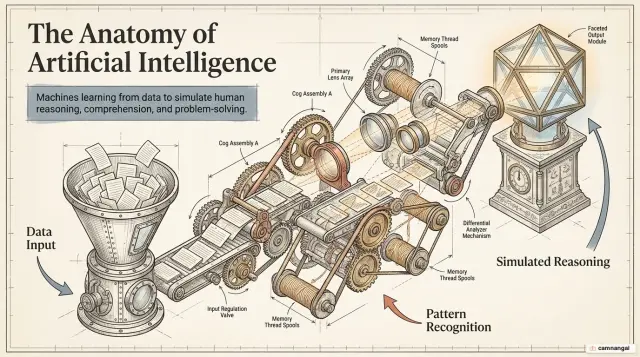
Artificial Intelligence: History, Machine Learning, and AI Agents
Artificial Intelligence lets machines simulate human learning and reasoning. A guide to its history, machine learning, generative models, and AI agents.
Tuan Tran Van - Must read
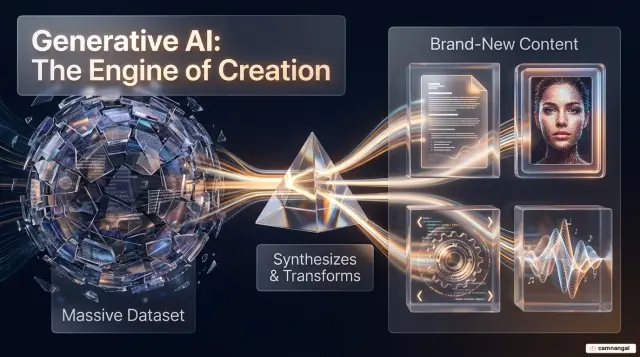
What is generative AI? Models, mechanics, and real limits
Generative AI creates new text, images, and code by learning probability distributions from massive datasets — its models, mechanics, and real limits.
Tuan Tran Van - Must read
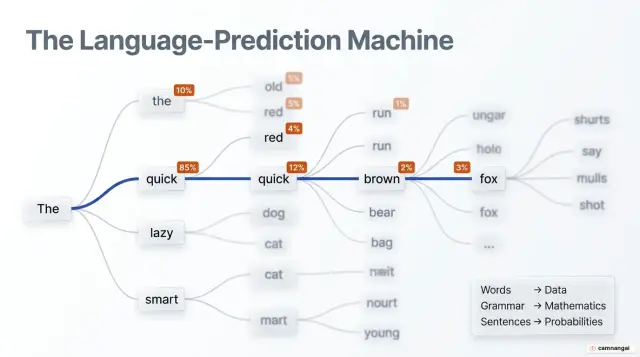
What Are Large Language Models (LLMs)? How They Work
Large Language Models predict the next token from statistical patterns. How LLMs learn, the three-stage training pipeline, and why they still hallucinate.
Tuan Tran Van 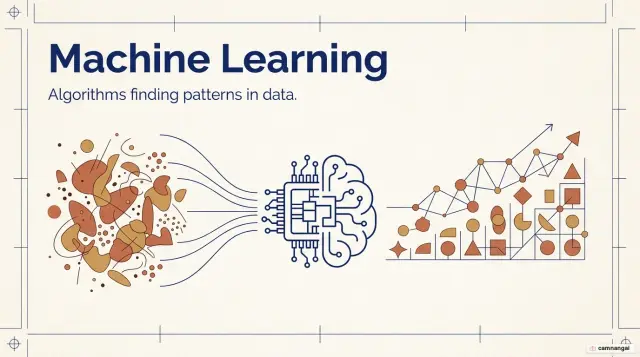
What Is Machine Learning? Types, Algorithms, and Optimization
Machine learning lets computers learn from data, not fixed rules. A guide to supervised, unsupervised, and reinforcement learning and core algorithms.
Tuan Tran Van- Must read

AI Tokens and Context Windows: A Practical Guide
AI tokens are the smallest units a language model reads and writes, and the context window is the memory limit that decides how much it can hold at once.
Tuan Tran Van 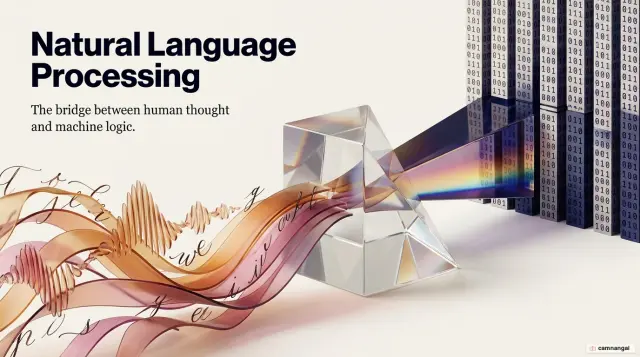
What is NLP? Natural Language Processing Explained
NLP lets machines read and generate human language, closing the gap between binary code and messy, unstructured text using deep learning models.
Tuan Tran Van